Money20/20 Middle East opens in Riyadh with licensing, not launches, as the test
Aiden Brooks
Editorial · Sep 01, 2026
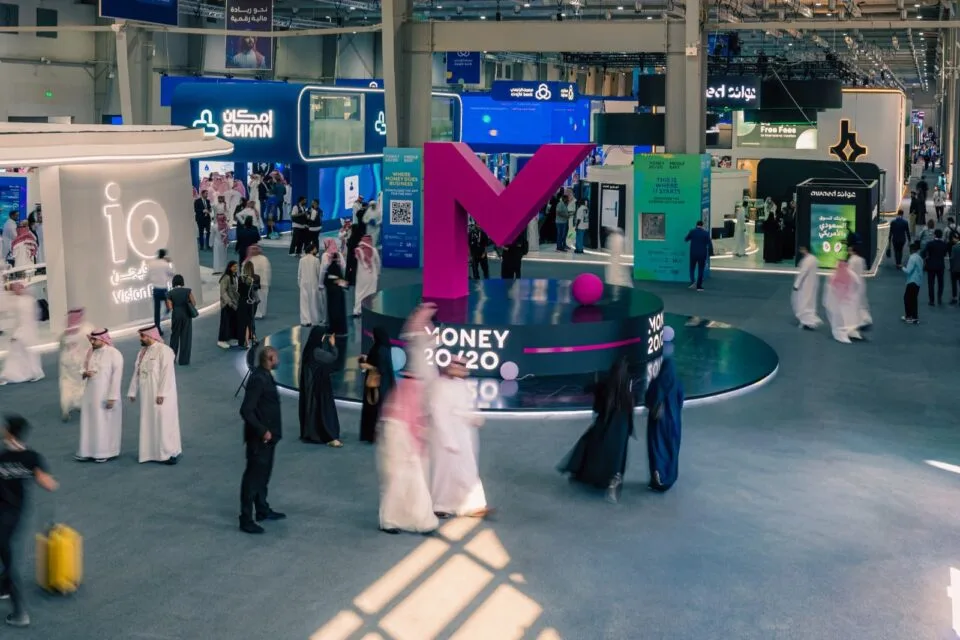
Editorial Calendar Money20/20 Middle East opens in Riyadh with licensing, not launches, as the test The second edition opens today in Malham with more than 38,000 attendees projected and six content pillars, four of them about control rather than product. Last year Riyadh got its market debuts. This year the question is whether the plumbing behind them has been licensed.
Money20/20 Middle East opens its second edition this morning at the Riyadh Exhibition and Convention Centre in Malham, and the framing has shifted since last September in a way that is easy to miss if you only read the attendance claims. The inaugural edition was a debut story, and it was told in debuts.GoogleandAlipayused the show to announce their entry into the Saudi market. Google Pay and Google Wallet went live locally throughAl Rajhi BankandRiyad Bank.STVand Tadawul’sWamidunveiled plans for the Kingdom’s first private asset trading platform.
Visa introduced new acceptance capability for digital commerce.Tamara, now a founding partner of the show, announced a $2.4bn asset-backed facility backed byGoldman SachsandCitigroup. That is a strong list for a first outing, and it did the job it needed to do, which was to establish that a Riyadh fintech show could hold announcements of genuine international weight. Announcements of that kind are a market-entry signal.
They tell you that a large firm has decided the Kingdom is worth a flag. What they do not tell you is whether the infrastructure underneath is licensed, supervised and ready to carry volume. That is the question the second edition inherits, and the answer to it has moved considerably in the twelve months since.
Open banking has left the sandbox On 30 March 2026 theSaudi Central Bankbegan licensing fintech companies to provide open banking services, moving the activity out of the regulatory sandbox and into a formally licensed
← Previous
Smartstream Deploys MCP Infrastructure to Power Agentic AI Across Smart Collateral Platform
Next →
Venezuela: Economic Crisis Changes the Way a Country Pays