Venezuela: Economic Crisis Changes the Way a Country Pays
Liam Turner
Editorial · Sep 01, 2026
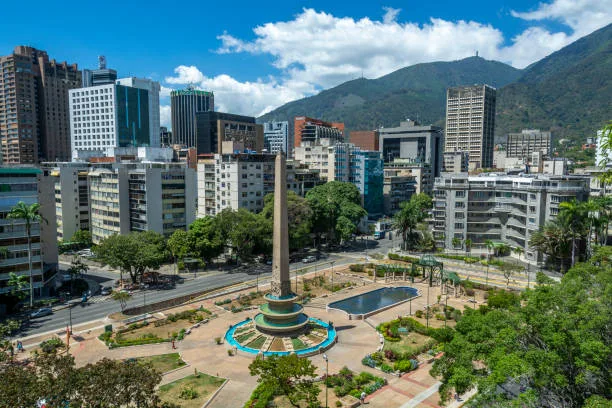
Editorial Calendar Exclusive Content Fintech Ecosystems Venezuela: Economic Crisis Changes the Way a Country Pays Few countries in Latin America have experienced a more dramatic economic transformation than Venezuela. Once one of the region’s wealthiest nations, its enormous oil reserves financed decades of public spending and made Caracas an important financial and commercial centre. Then came a prolonged economic collapse.
Hyperinflation destroyed much of the bolívar’s purchasing power. Millions of Venezuelans emigrated. US sanctions complicated international financial relationships, while years of political confrontation and economic mismanagement weakened investment and the country’s once-dominant petroleum industry.
Yet something unexpected happened amid that disruption. Venezuelans became extremely adaptable in how they use money. US dollars circulate alongside bolívares.
Bank-to-bank mobile transfers are commonplace. Digital wallets and cryptocurrency have periodically provided alternatives, while fintech companies are increasingly filling gaps left by conventional financial services. Venezuela’s fintech story is therefore not principally about technological disruption.It is about financial adaptation.
An oil giant with a much smaller economy Everything about Venezuela’s economy begins with petroleum. The country possesses the world’s largest proven crude-oil reserves, while oil historically generated the overwhelming majority of export earnings. Manufacturing, agriculture, mining, retail and services form part of the wider economy, but petroleum remains fundamental.
Caracas is the main financial centre, with banks includingBanco de Venezuela,Banesco,BBVA ProvincialandBanco Mercantil. The scale of Venezuela’s economic decline over the past decade nevertheless makes conventional comparisons difficult. According to theInternational Monetary Fund’s (IMF)April 2026World Economic Outlookdatabase, nominal gross domestic product (GDP) is projected at around $111.3billion in 2026, equivalent to approximately $4,140 per person.
The population is estimated at around 26.9 million. Inflation remains the much bigger problem. The IMF projects average consumer-price inflation of approximately 387 per cent this year.
For fintech companies, operating in an environment where prices and currency values can move
← Previous
Money20/20 Middle East opens in Riyadh with licensing, not launches, as the test
Next →
Summa Tech Adds AML Checks to Onboarder Client Onboarding Platform